
How Peridot Became August’s Gem of Choice
Introduction to Peridot
Peridot stands out among gemstones for its vibrant green hue and its connection to August. This stunning gem has been admired for centuries, valued not only for its striking appearance but also for the unique stories and traditions tied to it. While its bright color evokes a sense of warmth and vitality, peridot's appeal goes beyond aesthetics. Its presence in jewelry has captured the attention of many, from ancient civilizations to modern-day designers.
Unlike other gemstones that owe their color to external elements, peridot’s green hue is a result of its natural chemical makeup. This unique characteristic has contributed to its enduring popularity in the world of jewelry. Found in volcanic regions and even in meteorites, peridot is a truly remarkable stone with a history as fascinating as its origins.
As one of the earliest gemstones mined and used in adornments, peridot has built a reputation as a meaningful and versatile choice for jewelry enthusiasts. Whether set in rings, earrings, or pendants, its lively color complements a wide range of styles, making it a favorite for those who appreciate both its beauty and symbolism.
Characteristics of Peridot
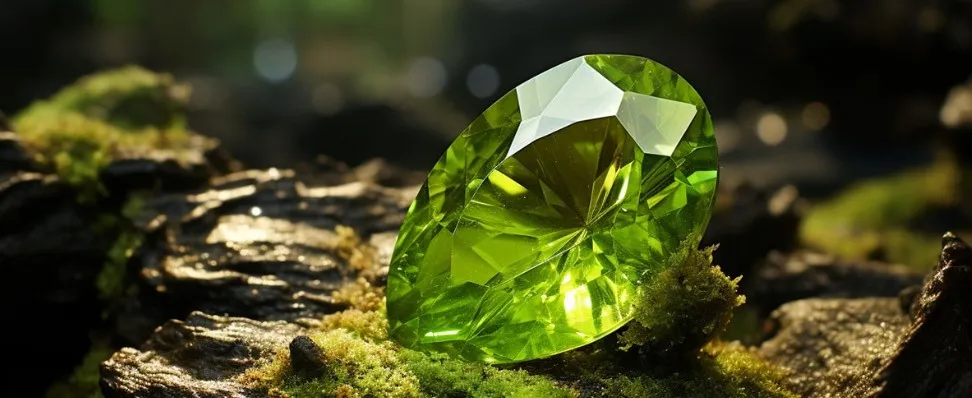
Peridot captivates with its fresh green tones, which can vary from soft lime shades to richer olive hues. This natural gemstone owes its color to its unique chemical composition, rather than trace impurities, giving it a consistent and vibrant appearance that sets it apart from other stones. Its brightness and clarity make it a striking addition to jewelry, effortlessly drawing attention without being overpowering.
The quality of a peridot stone depends on several factors, such as its color, clarity, and how it is cut. The most sought-after peridot gems exhibit a deep, vivid green without brown or yellow undertones. Inclusions, or small internal features, are common in peridot but should ideally be minimal to enhance the stone’s brilliance. A well-executed cut brings out its natural beauty, optimizing the way light interacts with the gem and ensuring a balanced, symmetrical appearance in any jewelry piece.
Historical and Cultural Importance
Peridot has held a place of importance in various cultures throughout history, celebrated for its vivid green color and the meanings attached to it. The ancient Egyptians were among the first to cherish this gemstone, mining it from an island in the Red Sea over 3,500 years ago. They believed peridot possessed protective qualities and often adorned themselves with it, thinking it could shield them from harm and evil influences.
In Roman times, peridot was highly valued and referred to as the “evening emerald” because of how its green color remained vibrant even in low light. This made it a popular choice for jewelry and decorative items. Roman soldiers, too, were drawn to peridot, carrying it as a talisman to protect themselves in battle.
Hawaiian legends offer another fascinating perspective on this gemstone. In local mythology, peridot is thought to represent the crystallized tears of Pele, the goddess of volcanoes and fire. Found in the volcanic regions of Hawaii, the stone is deeply tied to the islands’ natural landscape and cultural stories. For many, peridot embodies a connection to the earth and its raw, elemental power.
In medieval Europe, the stone was believed to hold mystical properties. It was often set into chalices and religious artifacts, as it was thought to bring clarity and drive away negative energies. Peridot’s popularity extended beyond its mystical associations. It was prized by royalty and nobility as a symbol of wealth and status. The vibrant green stone was frequently used to embellish crowns, jewelry, and other regalia, making it a statement of power and refinement.
favorite.
Choosing Peridot Jewelry
When picking out peridot jewelry, it’s helpful to focus on elements that bring out the best in this vibrant gemstone. The stone’s color is one of its standout features, so choosing a piece with a bright, lively green is key. While peridot naturally comes in various shades, stones with a deeper green and minimal brown or yellow undertones tend to be the most sought after. A gemstone’s clarity also plays an important role in its overall appearance. Peridot often contains tiny inclusions, but these should be subtle enough not to distract from its beauty.
Equally important is the way the stone is cut. A well-crafted cut highlights the peridot’s ability to interact with light, enhancing its glow and ensuring it looks balanced and symmetrical. Round, oval, and cushion cuts are popular for showcasing the gem’s natural appeal, but unique shapes like marquise or pear can add a touch of individuality to your jewelry.
Your choice of setting can make a big difference in the way the peridot is presented. Yellow gold is a classic option, as its warm tones pair beautifully with peridot’s fresh green. White gold and sterling silver are great for a more contemporary look, offering a striking contrast that emphasizes the gemstone’s brightness. Rose gold, with its soft pink hue, provides a modern and romantic alternative, creating a unique and stylish pairing.
When considering peridot jewelry, it’s also worth thinking about the type of accessory that best suits your needs or personal style. For a bold, standout look, larger peridot stones make stunning centerpieces in rings or pendants, ideal for special occasions. If you prefer a more understated vibe, smaller peridot accents work beautifully in earrings, bracelets, or stackable rings, adding just a hint of color for everyday wear. Pairing peridot with other gemstones can create a dynamic and colorful design, while still allowing the stone’s unique character to shine.
Durability is another factor to keep in mind. With a hardness rating of 6.5 to 7 on the Mohs scale, peridot is well-suited for regular wear, though it requires some care to maintain its polished look. Choosing a setting that provides adequate protection, such as a bezel or halo design, can help keep the gemstone secure and reduce the risk of accidental damage.
For those interested in sustainability, peridot can be a thoughtful choice. Its availability from sources around the world, including the United States, means that finding ethically sourced pieces is often easier compared to rarer gemstones. Many jewelers are now prioritizing responsible practices, making it possible to find designs that align with your values without sacrificing quality or style.